Arrival in St Petersburg! Pictures from My First Day or Two

I was so excited to arrive in St Petersburg, and spent a lot of time in the Hermitage!

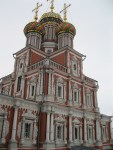
Nizhny Novgorod Gallery

You got a preview when I realized that I could post pictures from my phone on the WordPress blog app, now here’s the real thing!

Three More Days on the Train: Irkutsk to Nizhny Novgorod Gallery

More scenes of taiga, more snow, more birches…

Cartier on Karl Marx Street Gallery: Irkutsk and Lake Baikal

I fell in love with Irkutsk, and I think you’ll see why (including the Decembrist Trubetskoy Manor and lots of views of the River Angara…and even another Lenin statue, since they’re ubiquitous, even if far from my favorite statues):

The incredible blue ice at Lake Baikal (and scenes from Listvyanka):

The Volkonsky Manor, a Decembrist’s home in exile:

Leaving Irkutsk:
IMG_1548

The Transsiberian from Vladivostock to Ulan Ude: A Gallery

The first part of my overlanding across Russia: almost three days on the Rossiya to Ulan Ude.

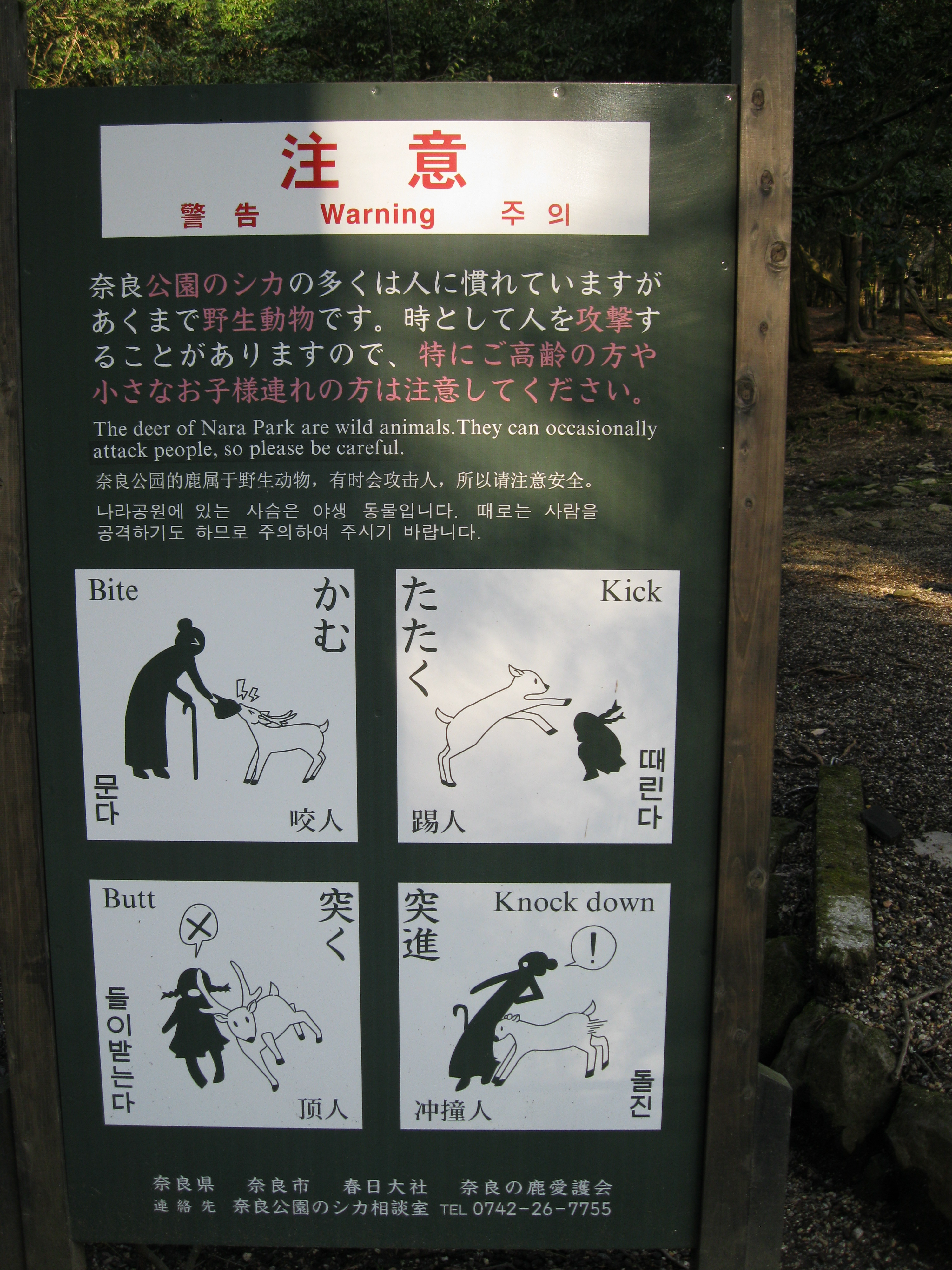
Beware the Deer: A Gallery of Nara Photos

Feisty deer in Nara

Feisty deer in Nara

Yes, at long last, I have a real computer and not just a smartphone, so I’m able to edit and upload photos to my heart’s content. Here’s the first installment of my pre-EyeFi photos (aka my photos from Nara, Japan which I visited two months ago).

Under the Walls of Topkapi: Final Day in Istanbul

I spent my final day in Istanbul (yes, over ten days ago now – how time flies when you’re flying hither and yon!) trying to see the things I’d not yet had a chance to see, but definitely wanted to see before I headed back to the States. This included the Basilica Cisterns, the Grand Bazaar, and the Great Palace Mosaics, along with some quiet time to just enjoy a view of the Bosphorus and write postcards. (I’ve been sending a lot of postcards!)

First, the Basilica Cisterns. They are…incredible, would be the word for it. Or atmospheric. Apparently there was a scene filmed here for “From Russia with Love”, one of the Sean Connery James Bond films, when there was a higher water level. Higher water level, you ask? Well, the Cisterns used to contain some of the fresh water supply for the Byzantine city in Justinian’s time (6th century?). Late in the 20th century, the city removed much of the water and put in a walkway for tourists. They even have concerts down there, which must be a unique experience, though I can’t imagine the damp would be any good for the instruments. It really doesn’t take that long to go though the Cisterns: they take up maybe a full city block (which is pretty large if you think about how old they are, but doesn’t take too long to walk through). Your first impression is of a big, echoing cave filled with columns which are lit from below. You approach the railing to look at the water and see koi. Walking on the walkway, you proceed to some corners where there are fewer tourists. Water drips from the ceiling and you can easily imagine a scene from a suspense novel or spy movie taking place here. For me, it became a little eerie as I imagined what it would be like to be trapped here overnight. (I have an active imagination, what can I say?)

Anyway, you can judge for yourselves:

I also screwed my courage to the sticking point and headed to the Grand Bazaar. (Think there are a lot of people at the entrance? Inside was even worse!)
Entrance to the Grand Bazaar

Entrance to the Grand Bazaar

Now, let me be clear. I do enjoy shopping. However, I don’t enjoy large, jostling crowds with lots of picketpockets, and I certainly don’t enjoy the kind of salesmanship I’ve endured from carpet salesmen in Turkey. Leave me alone to do my shopping and I’ll be much more likely to make a purchase. So you can understand that I felt some hesitation in going to the Grand Bazaar. All of that said, I am definitely glad that I went. The sprawling building itself is pretty incredible, and when you step off into the side areas (hans) within it, you can ignore the modern soccer jerseys and imagine yourself back in the days of caravans and the Spice Road. It’s also pretty iconic.

Well, these two sights were the last ones that I felt I’d be upset if I missed, so I decided to have a leisurely afternoon and find the cafe under the walls of Topkapi with a great view of the Bosphorus that the Guesthouse owner had recommended. I entered the Gulhane park and walked to the far end, then took a turn to the right up a fairly steep hill to the outside of the Palace. There I found the cafe, as promised, and the lovely older English couple with whom I’d chatted over breakfast the past two days at the Guesthouse. They invited me to join them and we had a great chat over tea and a magnificent view of the Bosphorus. We decided to have dinner together that night, since it was my last night in Istanbul. When they went off to explore the city some more, I stayed and wrote postcards until my pen ran out of ink.

Without a pen to write with, I thought I should take a look at the Great Palace Mosaic Museum before I left. It’s a small museum, the only exhibit being this impressive huge mosaic (and pieces thereof) that they discovered behind/under the Blue Mosque. It’s Byzantine, from a bit before the Basilica Cisterns, and reminds me a lot of ancient Roman mosaics I’ve seen. Part depicts hunting scenes while the other end shows more activities of daily life.

Then it was back to pack, and then out for dinner at a lovely restaurant specializing in Ottoman cuisine. I had lamb – I almost always have lamb when it’s a choice, because I love it and very rarely make it at home. The British couple I was with had really taken me under their wing (I think I’m a year younger than their youngest daughter), and I had a very pleasant meal and walk with them. As the finishing touch to the evening, they showed me the “special tunnel exit” from the restaurant. It turns out that the block of buildings that the restaurant and our hotel are part of is built on the ruins of an old Byzantine palace. The restaurant had discovered the site when trying to expand the basement. (Apparently it featured on the History Channel’s Cities of the Underworld show on Istanbul.) We got to walk through dark rooms vaulted in a Romanesque style similar to what I had seen earlier in the Cisterns, emerging by another restaurant. Can you imagine digging out your cellar and discovering ruins over 1500 years old?!

You Can Go Back to Constantinople

It was time to head back to Istanbul, where I have spent the past four days seeing sights at a somewhat more leisurely pace.

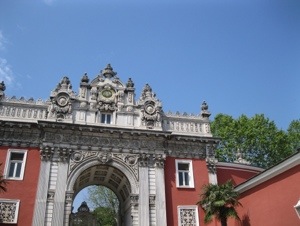
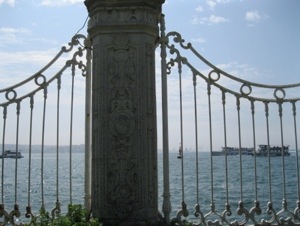
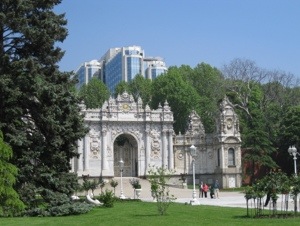
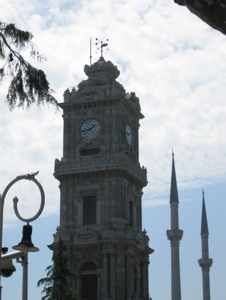
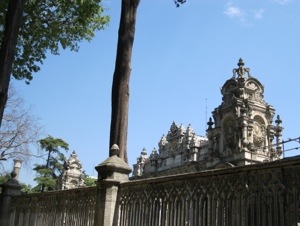
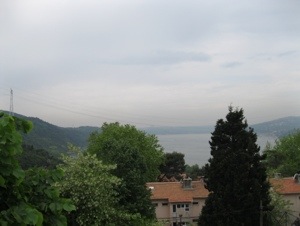
On Sunday I went to Dolmabahce Palace (built by sultans to show Europe that its sick man, the Ottoman Empire, was doing fine but in reality costing the empire more than it could afford). It’s a baroque, rather overdone building, with rooms that could be lovely if they had just stopped decorating several elements earlier! (Keep the gorgeous Baccarat crystal chandeliers, carpets, mirrors and upholstered chairs, but don’t add trompe l’oeil ceilings and walls on top of that! Shame on you, French decorator to the sultans! The Baroque period just called from two hundred years earlier and it wants its excess back!) There is, however, a fantastic view of the Bosphorus from the palace.

20130515-175857.jpg

20130515-175925.jpg

20130515-175951.jpg

20130515-180022.jpg

20130515-180112.jpg

20130515-180210.jpg

20130515-180235.jpg

20130515-180257.jpg

20130515-180314.jpg

20130515-180332.jpg

20130515-180348.jpg

20130515-180411.jpg

20130515-180428.jpg

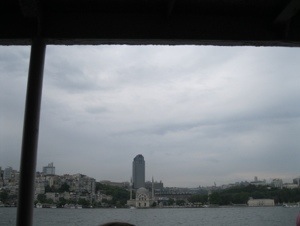
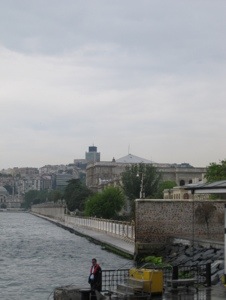
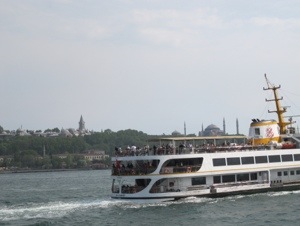
On Monday, many museums are closed, so I figured it was a perfect day to go on a Bosphorus cruise. I chose to go on the one run by the normal ferry service, as it’s much cheaper than the touristy ones (ok, yes this is also for tourists) and I had a pretty detailed guidebook that listed what I would see: old palaces, the European or Asian shore, jellyfish in the water at our lunch stop (of three hours), the Black Sea. I have to say I enjoyed the ride back more than the ride out to the mouth of the Black Sea, in large part because on the way out I was sitting next to a couple of grumpy tourists and on the way back I was chatting with a nice French couple. On the way back, I even saw a dolphin!

We set out in a drizzle:

20130515-181000.jpg

20130515-181025.jpg

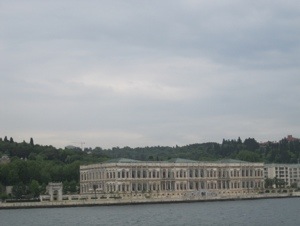
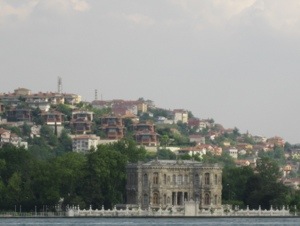
Dolmabahce from the water:

20130515-181121.jpg

20130515-181142.jpg

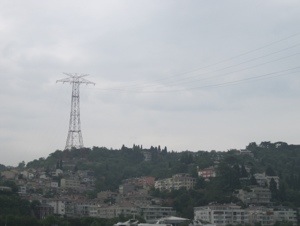
Other sites (palaces, the famous suspension bridge, pylons bringing electricity from the Asian to European side):

20130515-181255.jpg

20130515-181314.jpg

20130515-181338.jpg

20130515-181415.jpg

Ukrainian cargo ship coming from the Black Sea:

20130515-181502.jpg

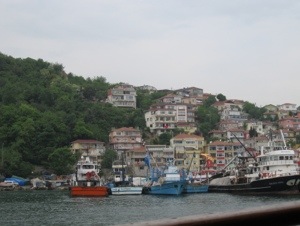
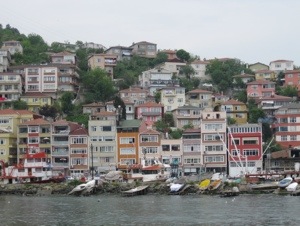
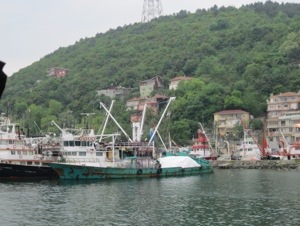
Picturesque towns:

20130515-181546.jpg

20130515-181605.jpg

20130515-181620.jpg

The Black Sea:

20130515-181649.jpg

The castle I hiked up to before lunch as I tried to spend three hours in the little town at the mouth of the Black Sea (and views from there):

20130515-181824.jpg

20130515-181842.jpg

20130515-181858.jpg

20130515-181911.jpg

20130515-181928.jpg

20130515-181942.jpg

20130515-182000.jpg

I chose a restaurant with a couple of Turkish women sitting in it thinking it was a safe bet, and ordered the local fried mussels and an eggplant mezze. When it came time to pay, I noticed that they added 4 lira as “tax”. I was powerless to protest what I knew was cheating, pure and simple (Turkey uses VAT and it should be included in the price), as I don’t speak Turkish and they had rounded up to a total bill of 20 lira – and all I had was a twenty lira bill. It’s the first time in three weeks in Turkey that this has happened to me and it made me furious. I wish I had their card so I could let everyone know where not to go. Oh well, at least it wasn’t a large sum of money, and I soon after got back on the ferry and started chatting with the nice French couple.

A few more pictures from the return trip:

20130515-182505.jpg

20130515-182518.jpg

20130515-182533.jpg

20130515-182610.jpg

20130515-182632.jpg

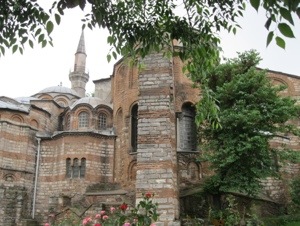
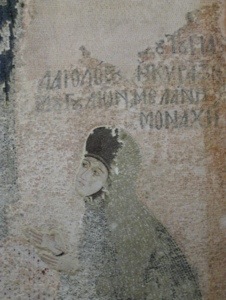
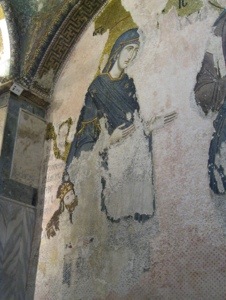
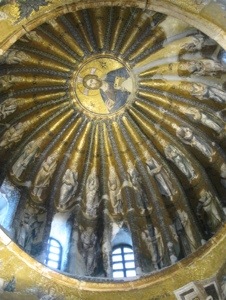
On Tuesday I decided to go to Chora Church in the morning. This church has magnificent mosaics that are apparently often compared with Ravenna’s. Many guidebooks suggest taking a taxi, but simply taking the tram the very easy if you don’t mind learning the Turkish name for the museum and asking for directions for a few blocks. The tram goes by the old Byzantine city walls.

20130515-182954.jpg

20130515-183006.jpg

20130515-183019.jpg

20130515-183031.jpg

20130515-183044.jpg

20130515-183058.jpg

20130515-183110.jpg

20130515-183123.jpg

20130515-183136.jpg

20130515-183147.jpg

20130515-183211.jpg

There was a great tile store across from the church, so I did a little shopping, dropped my bags off at the hotel, and went to the Taksim Square/Istiklal Street area to shop for a few more things to bring home with me. Heading home at the end of a full day, I took the Tunel funicular, apparently the second oldest subway (in Europe?The world? I’m not sure!).

PS Thanks to RLB for the blog title!

The Red Tour: Not a Comment on Politics

At breakfast I met a group of three older Australian couples who had come back from a balloon flight that morning. We chatted for a bit and I found out that they had all really enjoyed going up in a balloon, even the person who was scared of heights. I was definitely leaning towards going once I heard this…

Soon after I was picked up from my hotel for the “Red Tour”. Interestingly, pretty much all the different tour agencies use the same overall itineraries (red and green). My fellows on the tour today were a group of Muslim South Africans who had a cute four year old, an Indian family with a three year old who all lived in Switzerland, a young Indian couple currently living in France, and a young Turkish woman.

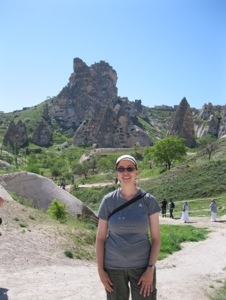
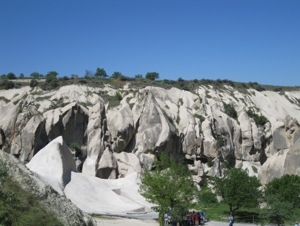
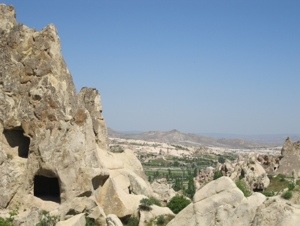
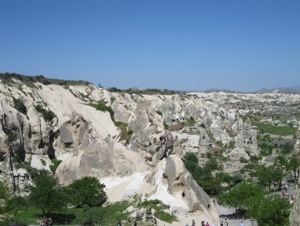
Our first stop was a panoramic view – there were a lot of these over my two full days in Cappadocia!

20130511-211616.jpg

20130511-211701.jpg

20130511-211727.jpg

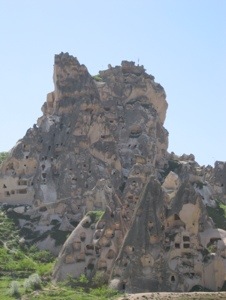
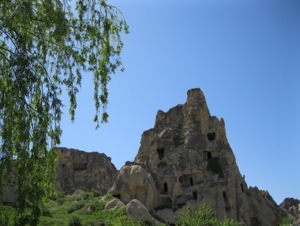
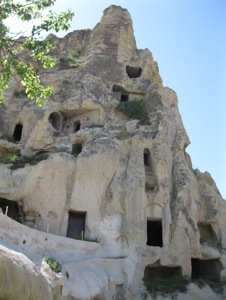
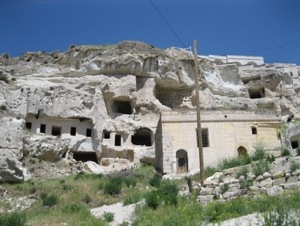
We then went to the Goreme Open Air Museum, full of cave churches. Some of the churches still had frescoes, though many had been defaced after the area became Muslim since they believe it to be sacrilege to depict humans in places of worship. A few churches still had the frescoes somewhat intact, however, and they range from more primitive looking red painted outlines (which I saw on the outside of some buildings as well) to much more sophisticated Byzantine paintings. The best example was in what is called the Dark Church, so called because, surprise surprise, there is very little natural light. The restored frescoes cover the walls and ceilings, and when you realize that the vaults are carved into the stone, it’s even more impressive.

20130511-212320.jpg

20130511-212348.jpg

20130511-212425.jpg

20130511-212457.jpg

20130511-212542.jpg

20130511-212559.jpg

20130511-212627.jpg

20130511-212705.jpg

20130511-212741.jpg

20130511-212814.jpg

20130511-212839.jpg

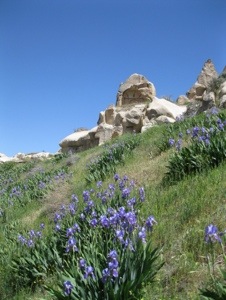
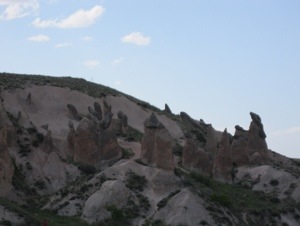
What created such a landscape? The area is flanked by two volcanoes (we could see their snow capped peaks as we drove around), and an ancient eruption of ash led to a lot of soft rock called tufa, streaked with basalt (I would guess from the actual eruption). Wind and rain have eroded the rock and the fact that there is so much tufa intermingled with a much harder rock did the rest.

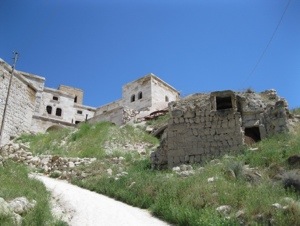
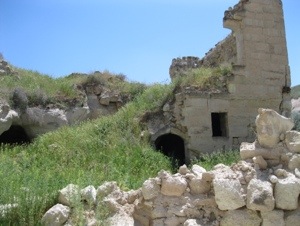
After the museum, we checked out a mosque that was carved into the hillside, part of a dead little town. The stone houses are unstable so the governed forced people to move out of them in the sixties. I have to wonder whether part of it was also the government wanting to continue the westernization of Turkey – I’ve been reading the Turkish Nobel Laureate Orhan Pamuk’s memoirs and it seems like that period was definitely one of continuing westernization.

20130511-213713.jpg

20130511-213734.jpg

20130511-213753.jpg

20130511-213810.jpg

20130511-213829.jpg
We could also see pigeon houses – little cubbies carved into the rock, some as early as Roman times, meant to be a place for pigeons to nest.

We headed to Avanos to see a pottery demonstration (and the perennial sales room – I mean showroom). The Red River flows through the town and there is a tradition of pottery there that uses the red clay. The Hittites thousands of years ago used red clay in Anatolia for their pottery.

We had a buffet lunch at another place catering to tours – why in a country with such good, relatively simple food does the food on these tours have to be so bad? It wasn’t horrible, but it wasn’t great either.

Time for more rock formations! We went to Pasabagi where a saint (St. Simon maybe) holed up in a fairy chimney cave as his hermitage. (OK, if you’re done snickering at that sentence we can continue). I hung out a bit with the Turkish woman despite the lack of a common language. She kindly bought me water. Again, I’ve had such lovely hospitality from most Turks I’ve met!

20130511-214636.jpg

20130511-214656.jpg

20130511-214723.jpg

20130511-214835.jpg

20130511-214910.jpg

20130511-214930.jpg

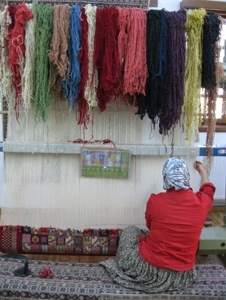
Next came the obligatory carpet school/shop stop. Interestingly, the prices were a lot higher than at the one in Selcuk. Like in Selcuk, we got to see how they remove silk from the cocoons and how they hand knot a carpet.

20130511-215140.jpg

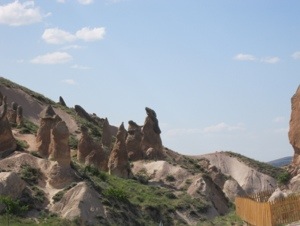
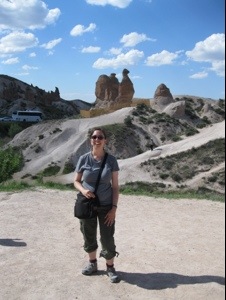
More rock formations! We went to Devrent Valley aka Imagination Valley where you can see shapes in the rocks. Can you spot the camel, the penguin, and the open hand?

20130511-215316.jpg

20130511-215336.jpg

20130511-215404.jpg

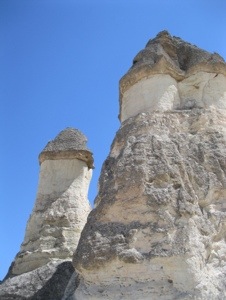
Finally near Urgup we came to a set of three tufa rocks capped in basalt, with a couple of boulders nearby. Legend had it that the three rocks are a man, his fairy princess wife, and their son, turned into stones by the angry fairy king. However the gods were so angry at the fairy king and his wife that they turned them into the big boulders. It’s a sad and vengeful story all around, but at least the hordes of tourists keep them all ample company.

20130511-215744.jpg

20130511-215844.jpg

And when I headed home, I booked a hot air balloon ride! I was excited and nervous. Luckily for me, I got to chatting with another solo woman traveller staying at the hotel, a Brazilian freelance journalist. She booked a balloon ride with the same company so now I had someone to hold my hand if I got too scared!